Jazz Music: What It Is, Why It Matters, and How to Listen
In this article
Jazz music is one of the most creative and flexible styles of music ever made. Born from African American culture in the United States, jazz mixes rhythm, melody, and improvisation in a way that feels alive and personal. This guide explains what jazz music is, how it developed, and how you can start listening with confidence, even if you feel like a complete beginner.
What Jazz Music Actually Is
Jazz music is a style built on improvisation, swing rhythm, and strong musical interaction. Musicians use a song’s basic structure, then change melodies and harmonies in real time. Every performance becomes a fresh version of the same piece.
Jazz grew from blues, ragtime, spirituals, and marching band music. The sound combines African rhythms, European harmony, and a strong sense of groove. That mix gives jazz its special blend of freedom and structure.
Many people think jazz means endless solos and difficult notes. Good jazz is really about conversation. Each instrument reacts to the others, almost like a group of friends finishing one another’s sentences.
How Jazz Differs From Other Music Styles
Most pop songs follow fixed parts with little change from night to night. Jazz treats the song like a frame for fresh ideas. The same tune can sound very different depending on the players, tempo, and mood.
This focus on improvisation makes jazz feel more like spoken language than a script. Musicians share a common vocabulary but choose their own phrases in the moment.
Core Elements That Define Jazz Music
Several musical features show up again and again in jazz. Once you know them, the music starts to feel less mysterious and more clear.
- Improvisation: Musicians create new melodies on the spot, based on the song’s chords.
- Swing feel: Notes are played with a “long-short” lilt that makes the rhythm bounce.
- Syncopation: Emphasis on off-beats and unexpected accents keeps the music lively.
- Call and response: One instrument plays a phrase, another answers or comments.
- Blue notes: Slightly lowered notes that add tension, emotion, and color.
- Jazz harmony: Chords often use 7ths, 9ths, and 13ths, which sound rich and colorful.
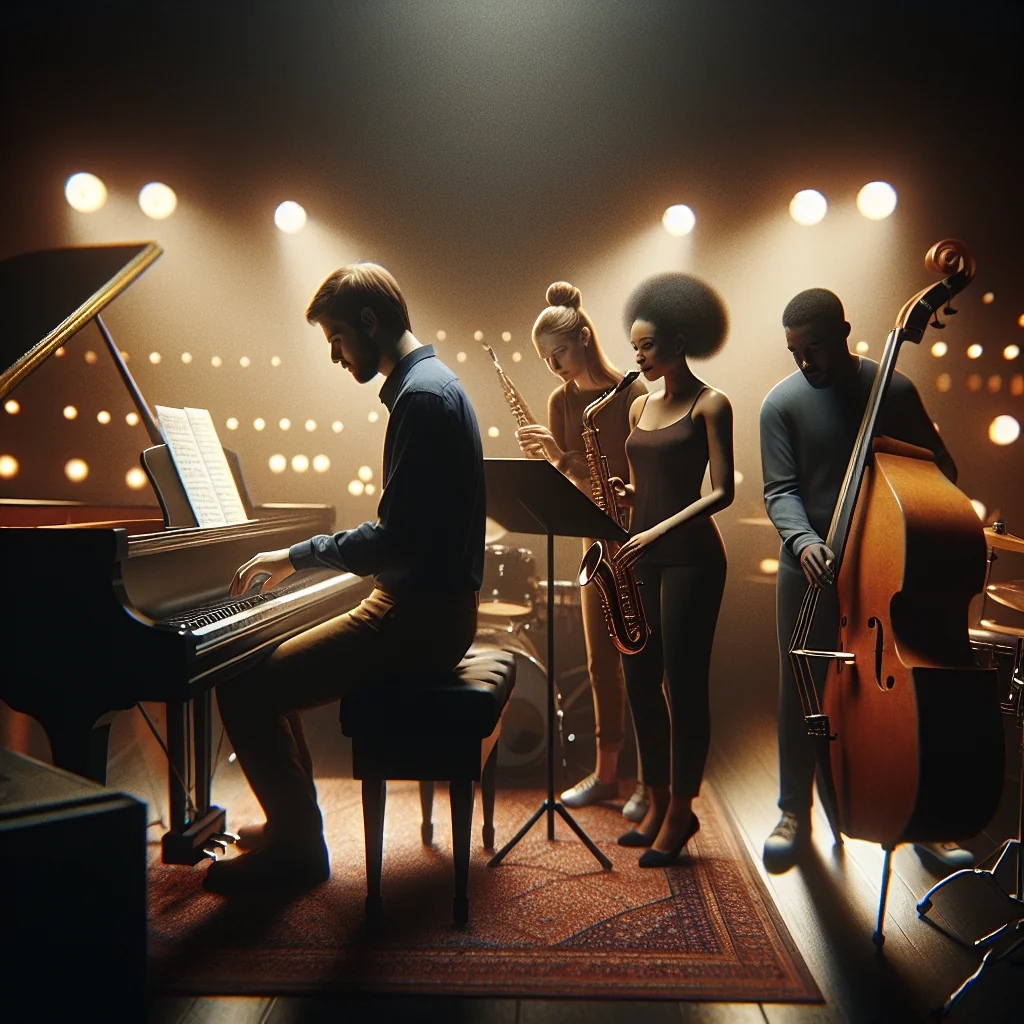
- Interaction: Drums, bass, piano, and horns constantly react to each other in real time.
These ideas show up in many styles of jazz, from early swing bands to modern experimental groups. You may hear them used in different ways, but the core language stays connected.
Why These Elements Matter for Listeners
Knowing these core ideas helps you follow what musicians are doing. You start to hear when a soloist bends a blue note or plays against the beat. Small details like that make the music feel more human and expressive.
Over time, you will notice patterns and shapes that repeat across songs and eras. That sense of recognition makes jazz feel less random and more like a story you can follow.
From New Orleans to Now: A Short History of Jazz
Jazz music started in New Orleans in the early 1900s. The city’s mix of African, Caribbean, and European cultures made a good place for new sounds. Brass bands, blues singers, and dance halls all helped shape early jazz.
In the 1920s, jazz spread to cities like Chicago and New York. Bands grew larger, and the music became a symbol of nightlife and freedom. Over the next decades, jazz changed many times, reacting to social shifts, new ideas, and new technology.
Today, jazz is global. Musicians blend jazz with hip hop, rock, Latin music, and traditional sounds from many countries. The spirit of improvisation and interaction still ties everything together.
Key Turning Points in Jazz History
Several moments changed how jazz sounded and who heard it. The swing era brought jazz into ballrooms and onto radio. Bebop later shifted the focus to smaller clubs and more intense listening.
Later, electric instruments and studio recording opened fresh paths for fusion and modern jazz. Each change kept the core ideas of rhythm, harmony, and improvisation while opening new doors.
Major Styles of Jazz Music Explained Simply
Jazz has many subgenres, which can feel confusing at first. This overview gives you a simple way to tell the main styles apart by sound and mood.
Early Jazz and Dixieland
Early jazz, sometimes called Dixieland, features small groups with trumpet, clarinet, trombone, and a rhythm section. Several instruments improvise at once, creating a lively, busy texture. The feel is playful and danceable.
Classic recordings from New Orleans and Chicago bands show this style. You will hear clear melodies, strong marching-style beats, and bright brass tones.
Swing and Big Band Jazz
Swing jazz took off in the 1930s and 1940s. Large big bands played arranged music for dancing, with sections of brass, reeds, and rhythm. The beat has a smooth, steady pulse that makes you want to move.
Swing solos are usually shorter and sit inside written arrangements. If you imagine a crowded dance floor and sharp horn riffs, you are probably thinking of swing.
Bebop and Modern Jazz
Bebop arrived in the 1940s as a faster, more detailed style. Small groups played rapid melodies, advanced harmonies, and longer solos. Bebop shifted jazz from dance music to a more listening-focused art form.
Modern jazz built on bebop, adding new chord ideas, unusual song forms, and more personal expression. The sound can be intense, but once your ears adjust, the logic of the lines becomes clear.
Cool Jazz, Hard Bop, and Beyond
Cool jazz in the 1950s used softer tones, slower tempos, and more space. Hard bop leaned back toward blues and gospel roots, with strong grooves and soulful melodies. Both styles shaped what many people think of as classic jazz.
Later styles include modal jazz, free jazz, fusion, Latin jazz, and many hybrids. Each one explores a different balance of structure, freedom, and rhythm.
Comparing Key Jazz Styles at a Glance
This quick reference table shows how some major jazz styles differ in feel, setting, and typical band size. Use it as a map when you are deciding what to hear next.
Overview of common jazz styles, moods, and best first uses:
| Jazz Style | Typical Mood | Usual Band Size | Best First Impression For |
|---|---|---|---|
| Early Jazz / Dixieland | Lively, playful, busy | Small combo | Fans of brass bands and parades |
| Swing / Big Band | Energetic, smooth, danceable | Large band | People who like classic dance music |
| Bebop | Intense, fast, detailed | Small combo | Curious listeners who enjoy long solos |
| Cool Jazz | Relaxed, spacious, calm | Small to medium group | Background listening and late-night moods |
| Hard Bop | Earthy, bluesy, strong groove | Small combo | Listeners who love soul, blues, or gospel |
| Fusion | Electric, driving, bold | Small electric band | Rock or funk fans curious about jazz |
Use this table as a guide when you explore recordings. Pick the mood and band size that match what you feel like hearing, then work outward into nearby styles.
How to Use Style Labels Without Overthinking
Style names are useful, but they should not scare you. Treat them like signs that point toward a general sound, not strict boxes. If you enjoy one hard bop album, you will likely enjoy others near it in time and feel.
The goal is not to memorize every label. The goal is to find moods and textures you enjoy, then follow the trail from there.
How Jazz Music Works: Rhythm, Harmony, and Improvisation
Jazz can sound difficult, but the basic system is clear. Most jazz performances follow a simple pattern: theme, solos, theme. The magic happens in how musicians move inside that frame.
Rhythm and Groove
Jazz rhythm centers on the ride cymbal pattern, walking bass, and backbeat accents. Drums keep a steady pulse while adding small variations and comments. The bass usually plays one note per beat, outlining the harmony.
Swing feel comes from how musicians place notes slightly behind or ahead of the strict beat. This timing creates tension and release, which makes the music feel alive.
Harmony and Chord Progressions
Jazz harmony uses extended chords and frequent changes. Many songs follow common patterns, like the 12-bar blues or the rhythm changes form. Once a player learns these patterns, the chords start to feel familiar.
Improvisers build their lines from chord tones, scales, and patterns they have practiced. The art lies in making those tools sound fresh and expressive in the moment.
Improvisation as Conversation
In jazz, improvisation is not random. Musicians listen closely and respond to each other’s ideas. A drummer might echo a phrase from the saxophone. A pianist might leave space for a bass fill.
The best solos tell a story. They start simply, build tension, and release it. Even without knowing music theory, you can feel that journey if you listen for shape and direction.
Instruments You Commonly Hear in Jazz
Jazz music can use many instruments, but some appear more often. Knowing their roles helps you follow the music more easily.
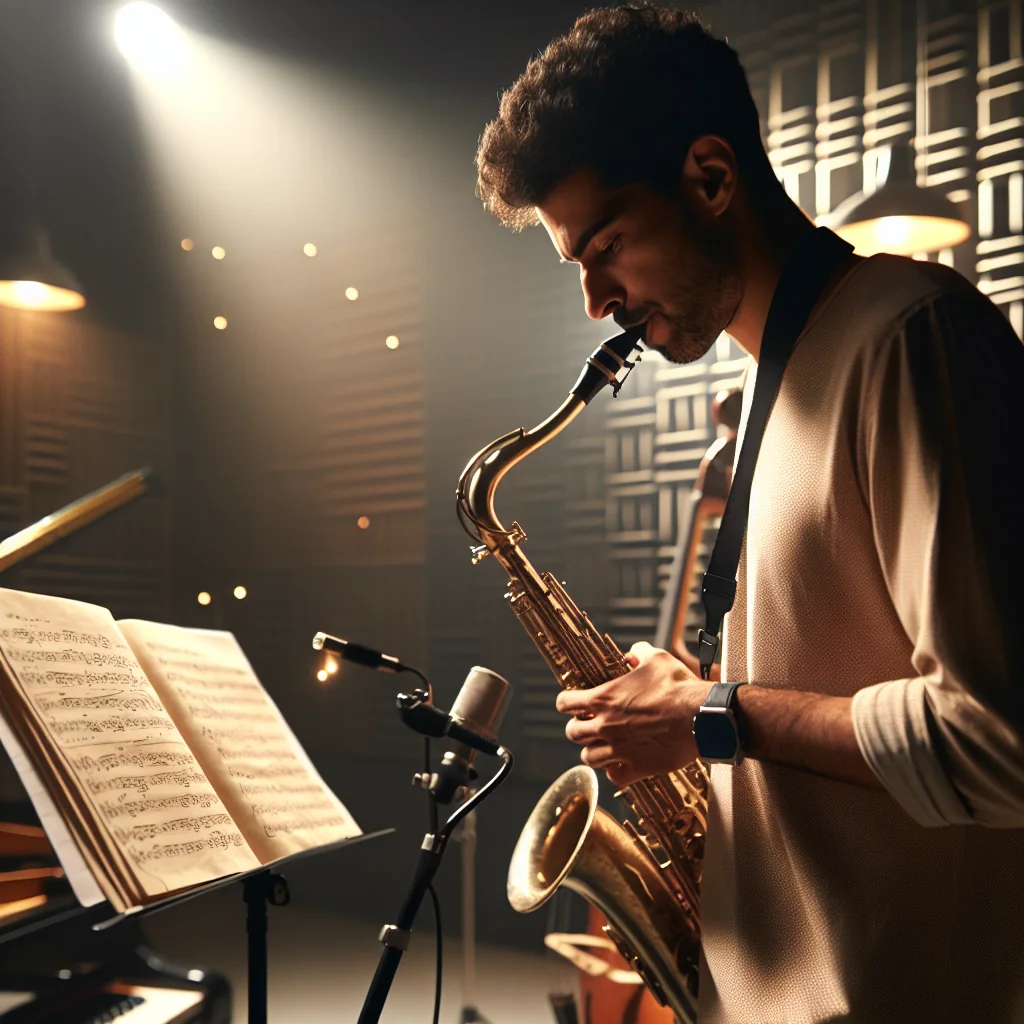
Horns like trumpet and saxophone often play the main melody and many of the solos. Trombone adds depth and a vocal-like slide. Clarinet is common in early jazz and some modern groups.
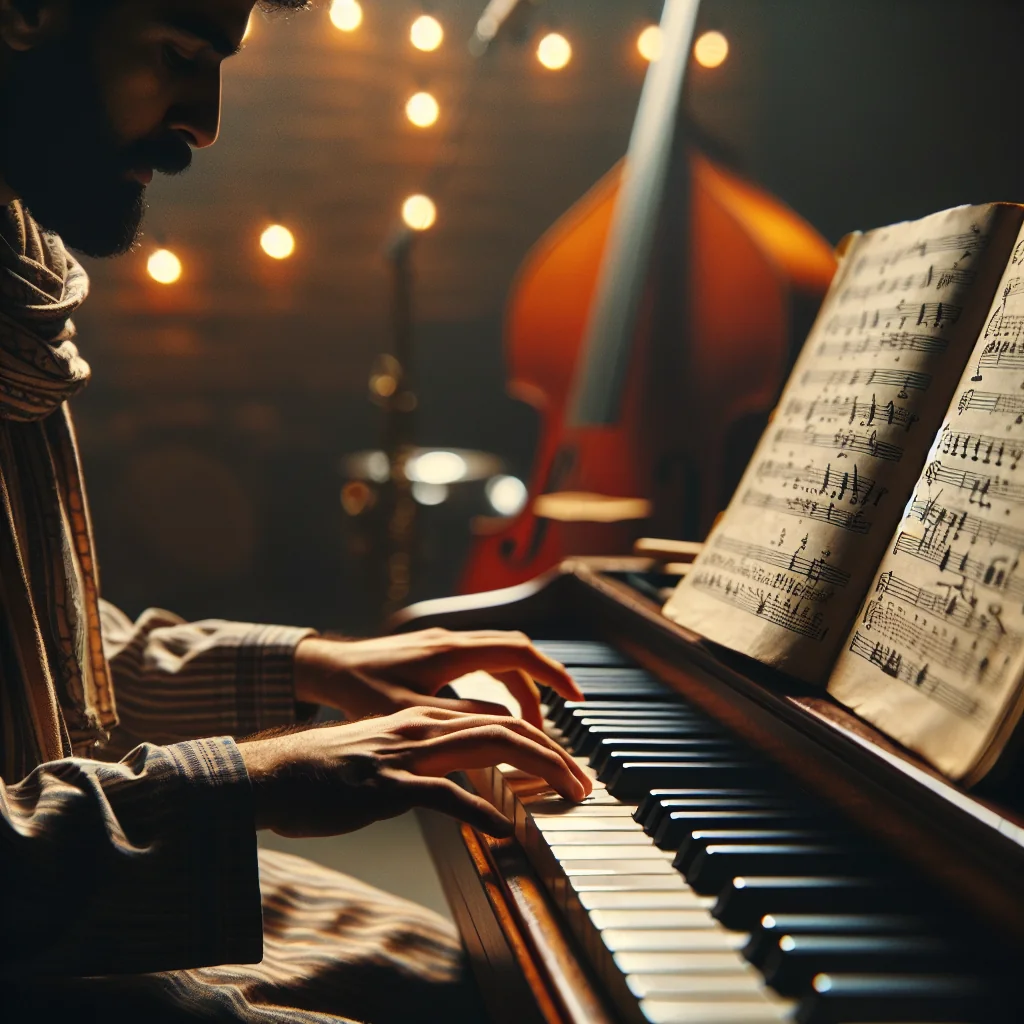
The rhythm section usually includes piano or guitar, bass, and drums. Piano and guitar play chords and rhythmic figures. Bass anchors the harmony and pulse. Drums shape the groove, energy, and dynamics.
How to Listen for Each Instrument
On one listen, follow only the bass and how it walks under the band. On another, focus on the ride cymbal pattern and how it keeps the flow. Then try tracing the horn lines and how they answer each other.
Breaking the band into parts like this makes dense music feel more simple. You start to hear how every player adds a piece to the whole sound.
Why Jazz Music Still Matters Today
Jazz has influenced rock, pop, hip hop, film scores, and more. Many chord progressions and rhythmic ideas in modern music come from jazz. Even if you do not listen to jazz daily, you hear its echoes everywhere.
Jazz also carries deep cultural history. The music reflects stories of struggle, joy, protest, and community, especially in African American life. Learning about jazz means learning about social change, creativity, and resilience.
For musicians, jazz offers a strong training ground. Studying jazz harmony, rhythm, and ear skills can improve playing in almost any other style.
Jazz as a Tool for Creativity and Community
Jazz encourages risk, listening, and shared space. Bands need trust and respect to improvise well together. That spirit can inspire how people work in groups far beyond music.
Community jams, school bands, and local clubs keep that culture alive. Each gathering passes the language of jazz to a new set of ears.
How to Start Listening to Jazz Without Feeling Lost
Many people want to enjoy jazz music but feel unsure where to begin. This simple listening path helps you build comfort step by step, so each session feels more familiar than the last.
- Start with melody-focused jazz: Pick songs with clear, singable tunes before diving into dense solos.
- Focus on one instrument: On each listen, follow just the sax, or just the bass, to hear its role.
- Count the pulse: Tap your foot or gently count “1-2-3-4” to feel the groove.
- Notice the form: Listen for the main theme at the start, then its return at the end.
- Compare versions: Hear two different recordings of the same song to feel how improvisation changes it.
- Explore different eras: Try early jazz, swing, classic 1950s albums, then more modern sounds.
- See live jazz if you can: Watching players interact makes the structure and energy much clearer.
The more you listen with intention, the more patterns you will recognize. Over time, solos that once felt random start to sound logical and even catchy.
Simple Listening Habits That Build Jazz Ears
Set aside short, regular sessions instead of rare long ones. Even ten focused minutes can help you hear more detail. Try humming a phrase after the track ends to lock it in your memory.
Keep a small note of songs or albums you enjoy and what you liked about them. That record becomes your personal map for future listening.
Jazz Music in Daily Life: Simple Ways to Enjoy It
You do not need special knowledge to let jazz improve your day. You can use different styles for different moods and settings.
Soft piano trios or cool jazz work well for reading or studying. Lively swing or Latin jazz can energize a workout or cleaning session. Vocal jazz suits dinner or social events, adding warmth without taking over the room.
If you play an instrument, try learning a simple jazz standard. Even a basic melody and a few chords can help you feel how the music breathes and moves.
Matching Jazz Styles to Common Activities
Think of jazz like a set of sound tools for daily life. You might choose gentle ballads for late evenings, brighter swing for mornings, and fusion for focused tasks. Over time, you will build your own set of go-to tracks for each mood.
This habit turns jazz from a distant art form into a friendly part of your routine.
Key Takeaways About Jazz Music
Jazz music is a living, flexible art built on improvisation, swing, and shared listening. The music grew from deep cultural roots and has shaped many modern styles. You do not need theory to enjoy jazz, but understanding a few basic ideas makes the sound much clearer.
Start with clear melodies, follow one instrument at a time, and notice the groove. Let your ears adjust slowly. Over time, jazz stops feeling confusing and starts to feel like what it really is: a rich musical conversation you are invited to join.
How to Keep Growing as a Jazz Listener
Stay curious and patient with your ears. Revisit albums after a few months and notice what you hear that you missed before. Each return visit shows how your listening skills have grown.
Jazz rewards long-term attention, but it also gives joy right away. As long as you stay open and keep listening, you are already part of the music’s story.